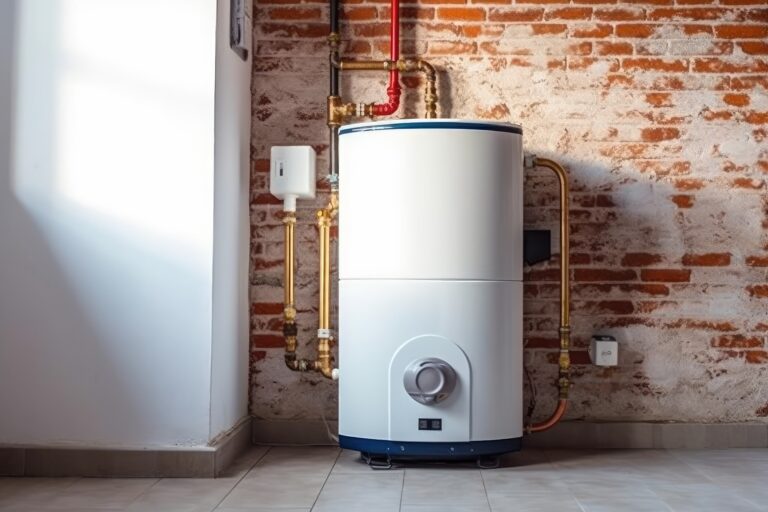

Understanding Traditional Water Heaters in Your Home
Traditional water heaters remain the most common choice for homeowners throughout Morgantown, Bridgeport, Grafton, WV and surrounding areas, and for good reason. These reliable tank-style systems have been providing consistent hot water for decades, utilizing either natural gas or electricity to heat and store water in an insulated tank. At Precision Plus HVAC, we understand that your water heater is essential for daily comfort, from morning showers to evening dishwashing, which is why we offer comprehensive services for all traditional water heater makes and models.
The basic operation principle involves cold water entering the tank through a dip tube that delivers it to the bottom where heating elements or gas burners warm it to your preset temperature. As water heats, it naturally rises to the top of the tank where the hot water outlet pipe draws from this warmest layer. This straightforward design has proven itself through generations of use, making traditional water heaters a trusted solution that homeowners can count on for years of dependable service.
Key Components and Technical Specifications
Every traditional water heater consists of several critical components working together to deliver hot water on demand. The tank itself features multiple layers including an inner glass-lined steel tank, insulation material, and an outer protective shell. Gas models incorporate a burner assembly at the base with a flue running through the center to exhaust combustion gases, while electric models use upper and lower heating elements positioned strategically for optimal heat distribution. The temperature and pressure relief valve serves as a crucial safety feature, automatically releasing water if pressure or temperature exceeds safe levels.
Tank capacities typically range from 20 to 80 gallons for residential applications, with 40 and 50-gallon units being most common for average households. Recovery rate, measured in gallons per hour, indicates how quickly the unit can heat incoming cold water. Gas water heaters generally offer faster recovery rates than electric models, heating approximately 40 gallons per hour compared to 20 gallons per hour for electric units. Energy efficiency ratings, expressed as Energy Factor or Uniform Energy Factor scores, help homeowners compare operational costs between different models and fuel types.
Installation Requirements and Maintenance Practices
Proper installation of traditional water heaters requires careful attention to local building codes, venting requirements for gas models, and adequate electrical service for electric units. Gas water heaters need proper combustion air supply and correctly sized venting to safely exhaust carbon monoxide and other combustion byproducts. Electric models require dedicated circuits with appropriate amperage ratings, typically 30-amp breakers for standard residential units. As a residential heating and cooling specialist and proud Carrier dealer, we ensure every installation meets or exceeds manufacturer specifications and local code requirements.
Regular maintenance significantly extends water heater lifespan and maintains efficiency. Annual flushing removes sediment accumulation that reduces heating efficiency and tank capacity. We recommend checking and replacing the anode rod every three to five years, as this sacrificial component protects the tank from corrosion. Temperature and pressure relief valves should be tested annually to ensure proper operation. Our seasonal maintenance services for all residential HVAC systems include water heater inspections, helping identify potential issues before they become costly repairs.
Common Issues and Professional Solutions
Traditional water heaters may experience various issues throughout their service life, typically lasting 8 to 12 years with proper maintenance.
- Insufficient hot water: often results from sediment buildup, faulty thermostats, or undersized units for household demands
- Water temperature fluctuations: indicate failing heating elements, thermostat problems, or mixing valve issues
- Unusual noises: typically caused by sediment accumulation creating popping or rumbling sounds during heating cycles
- Leaking tanks: signal internal corrosion requiring immediate replacement to prevent water damage
- Pilot light problems: in gas models may stem from thermocouple failure or gas supply issues
Our experienced technicians diagnose problems accurately using specialized equipment and extensive knowledge gained from servicing all makes and models. We maintain comprehensive parts inventory for common repairs, minimizing downtime when hot water is urgently needed. When replacement becomes necessary, we help select appropriately sized units based on household size, usage patterns, and available fuel sources.
Energy Efficiency and Indoor Air Quality Considerations
While traditional water heaters may not match tankless models’ efficiency ratings, modern conventional units offer substantial improvements over older models. Current ENERGY STAR certified models reduce energy consumption by 8-11% compared to standard units through enhanced insulation, improved heat exchangers, and electronic ignition systems replacing standing pilot lights. We also specialize in indoor air quality products for the home, understanding that properly vented water heaters contribute to maintaining healthy indoor environments by preventing combustion gas infiltration and managing humidity levels from water vapor.
Selecting between gas and electric models involves considering fuel availability, utility costs, installation requirements, and environmental preferences. Natural gas typically offers lower operating costs but requires venting infrastructure, while electric models provide installation flexibility but may have higher operational expenses depending on local electricity rates. Contact us today.