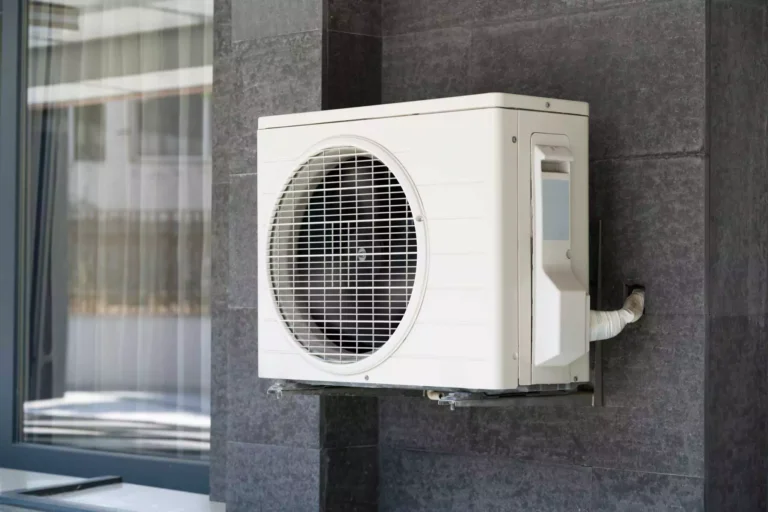

Understanding Ductless HVAC Technology
Ductless HVAC systems represent one of the most significant innovations in residential heating and cooling technology over the past two decades. These systems, also known as mini-split systems, operate without the traditional network of ducts that conventional forced-air systems require. Instead, they use individual air handling units mounted directly in the rooms you want to condition, connected to an outdoor compressor unit through small conduit lines containing refrigerant tubing, power cables, and condensate drains. At Precision Plus HVAC, we’ve installed hundreds of these systems throughout Morgantown, Fairmont, Clarksburg, Kingwood, Grafton, Bridgeport, Westover, Star City, Reedsville, Rivesville, WV; Point Marion, Mount Morris, Dilliner, Springhill, Waynesburg, and Uniontown, PA, witnessing firsthand how they transform home comfort while dramatically reducing energy consumption.
The technology behind ductless systems relies on variable-speed inverter compressors that adjust their output based on real-time cooling or heating demands. Unlike traditional systems that cycle on and off at full capacity, ductless units modulate their operation to maintain precise temperature control. This inverter technology can reduce energy consumption by up to 30% compared to conventional systems, according to Energy Star data. The indoor units contain sophisticated sensors that monitor room temperature, humidity levels, and occupancy patterns, automatically adjusting airflow and temperature settings for optimal comfort and efficiency.
Installation Process and Applications
Installing ductless HVAC systems requires specialized expertise that we’ve refined through years of experience as a Carrier authorized dealer. The process begins with a comprehensive load calculation to determine the appropriate system size for your specific needs. We analyze factors including room dimensions, insulation levels, window placement, and sun exposure patterns to ensure proper sizing. Each indoor unit placement requires careful consideration of airflow patterns, aesthetic preferences, and structural elements within your walls.
The physical installation involves mounting the indoor units at strategic locations, typically high on walls or ceiling-mounted for optimal air distribution. We drill a three-inch hole through the exterior wall to run the conduit bundle, which we seal meticulously to prevent air infiltration and moisture intrusion. The outdoor unit placement requires a level surface with adequate clearance for airflow and service access. Our technicians connect the refrigerant lines using specialized flaring tools and nitrogen purging techniques to prevent contamination, ensuring system longevity and peak performance. The entire installation typically completes within one to two days, depending on the number of zones being installed.
Benefits for Modern Homes
Ductless systems offer remarkable advantages for today’s homeowners, particularly in situations where traditional ducted systems prove impractical or inefficient.
- Zone Control Capabilities: Each indoor unit operates independently, allowing different family members to set their preferred temperatures in individual rooms
- Energy Efficiency: Eliminating ductwork removes the 20-30% energy loss typically associated with duct leakage and heat transfer
- Improved Indoor Air Quality: Multi-stage filtration systems in each unit remove dust, allergens, and other airborne particles more effectively than central systems
- Quiet Operation: Indoor units typically operate at sound levels below 30 decibels, quieter than a library environment
- Flexible Installation: Perfect for home additions, finished basements, or older homes without existing ductwork
As specialists in indoor air quality products for the home, we often recommend ductless systems for clients with allergies or respiratory sensitivities. The multi-stage filtration includes washable pre-filters and advanced catalytic or carbon filters that neutralize odors and trap microscopic particles. Some models incorporate ultraviolet light technology or photocatalytic oxidation to eliminate bacteria, viruses, and mold spores, creating healthier indoor environments.
Maintenance and Long-Term Performance
Maintaining ductless HVAC systems requires different approaches than traditional systems, though the overall maintenance burden typically proves lighter. We service all makes and models through our seasonal maintenance services for all residential HVAC systems, including comprehensive ductless system care. Regular maintenance includes cleaning or replacing filters monthly during peak usage periods, checking refrigerant levels annually, and cleaning the outdoor unit coils to maintain heat transfer efficiency.
The indoor unit evaporator coils require periodic cleaning to prevent mold growth and maintain airflow. We use specialized coil cleaning solutions and techniques that protect the delicate aluminum fins while removing accumulated debris. The condensate drainage system needs regular inspection to prevent clogs that could cause water damage. Our maintenance programs include checking electrical connections, testing system controls, and verifying proper refrigerant charge to ensure your system operates at peak efficiency throughout its typical 15-20 year lifespan. With proper maintenance, these systems maintain their efficiency ratings far better than traditional systems, providing consistent comfort and energy savings year after year.