
Understanding the Critical Role of Attic Insulation in Home Comfort
Your attic insulation serves as the primary barrier between your living space and the extreme temperatures that accumulate in your attic throughout the year. During summer months, attic temperatures can soar to 150 degrees Fahrenheit or higher, while winter conditions can create freezing environments that directly impact your home’s heating efficiency. At Precision Plus HVAC, we recognize that proper attic insulation works hand-in-hand with your HVAC system to maintain comfortable indoor temperatures year-round. As a residential heating and cooling specialist and proud Carrier dealer, we’ve seen firsthand how inadequate insulation forces heating and cooling systems to work overtime, leading to increased energy consumption and premature equipment wear.
The relationship between attic insulation and HVAC performance cannot be overstated. When insulation levels fall below recommended standards, conditioned air escapes through the ceiling, creating temperature inconsistencies throughout your home. This thermal transfer forces your heating and cooling equipment to cycle more frequently, increasing operational costs by as much as 30 percent according to Department of Energy studies. We service all makes and models of HVAC systems, and consistently find that homes with proper attic insulation experience fewer comfort complaints and require less frequent repairs.
Types of Insulation Materials and Their Applications
The insulation industry offers various materials, each with distinct advantages for different applications and budgets. Fiberglass batts remain the most common choice, providing cost-effective thermal resistance with R-values ranging from R-11 to R-38 depending on thickness. Blown-in cellulose, manufactured from recycled paper products treated with fire retardants, offers superior coverage in irregular spaces and provides R-3.2 to R-3.8 per inch of depth. Spray foam insulation, while representing a higher initial investment, creates an air-tight seal that addresses both insulation and air infiltration concerns simultaneously.
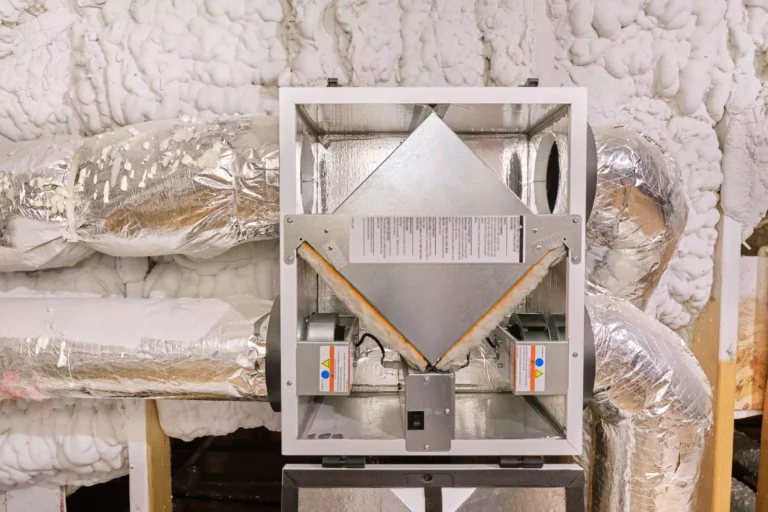
Modern insulation installations often combine multiple materials to achieve optimal performance. For instance, spray foam might seal gaps and cracks around penetrations, while blown-in fiberglass or cellulose provides the bulk thermal resistance needed to meet energy codes. The choice of material depends on factors including existing insulation condition, attic accessibility, moisture concerns, and budget considerations. We also specialize in indoor air quality products for the home, understanding that proper insulation selection impacts not just temperature control but also humidity management and air quality.
Signs Your Attic Needs Additional Insulation
Several indicators suggest inadequate attic insulation that homeowners in Morgantown, Fairmont, Clarksburg, Kingwood, Grafton, Bridgeport, Westover, Star City, Reedsville, Rivesville, WV; Point Marion, Mount Morris, Dilliner, Springhill, Waynesburg, and Uniontown, PA frequently encounter.
- Uneven room temperatures: certain rooms feel noticeably warmer or cooler than others despite thermostat settings
- High energy bills: monthly heating and cooling costs exceed neighborhood averages or historical patterns
- Ice dam formation: winter roof edges accumulate ice due to heat loss melting snow unevenly
- HVAC system strain: equipment runs continuously without achieving desired comfort levels
- Visible insulation gaps: ceiling joists remain exposed or insulation appears compressed and ineffective
Physical inspection reveals additional concerns such as moisture damage, pest infiltration, or settling that reduces insulation effectiveness over time. Thermal imaging technology identifies heat loss patterns invisible to the naked eye, pinpointing specific areas requiring attention. We offer seasonal maintenance services for all residential HVAC systems, during which our technicians can assess attic conditions and recommend insulation improvements that enhance system performance.
Professional Installation Process and Energy Savings
Professional attic insulation installation begins with comprehensive assessment including measuring existing insulation depths, identifying air leaks, evaluating ventilation adequacy, and checking for moisture issues. Preparation involves sealing air gaps around electrical boxes, plumbing penetrations, and HVAC ductwork using appropriate materials like caulk, foam, or weatherstripping. Proper ventilation maintenance ensures moisture doesn’t accumulate, preventing mold growth and structural damage.
The installation process varies by material type but always prioritizes uniform coverage and proper depth achievement. Blown-in insulation requires specialized equipment that distributes material evenly while maintaining appropriate density. Batt installation demands careful fitting around obstacles without compression that reduces effectiveness. Following installation, thermal imaging confirms consistent coverage and identifies any remaining thermal bridges requiring attention.
Energy savings from proper attic insulation typically range from 10 to 50 percent of heating and cooling costs, with payback periods averaging three to five years. The exact savings depend on climate conditions, existing insulation levels, home size, and HVAC system efficiency. Combined with our expertise in heating and cooling system optimization, proper attic insulation creates comprehensive comfort solutions that reduce energy consumption while improving indoor comfort throughout Morgantown, Bridgeport, Grafton, WV and surrounding areas. Contact us today.