
Understanding VRF Technology for Modern Comfort Solutions
Variable Refrigerant Flow (VRF) systems represent one of the most sophisticated heating and cooling technologies available for residential applications today. At Precision Plus HVAC, we specialize in evaluating whether these advanced systems align with your home’s unique comfort requirements. VRF technology originated in Japan during the early 1980s and has evolved into a highly efficient solution that provides simultaneous heating and cooling to different zones within a single structure. Unlike traditional HVAC systems that operate at fixed speeds, VRF systems utilize inverter-driven compressors that continuously adjust their output based on the exact demands of each zone in your home.
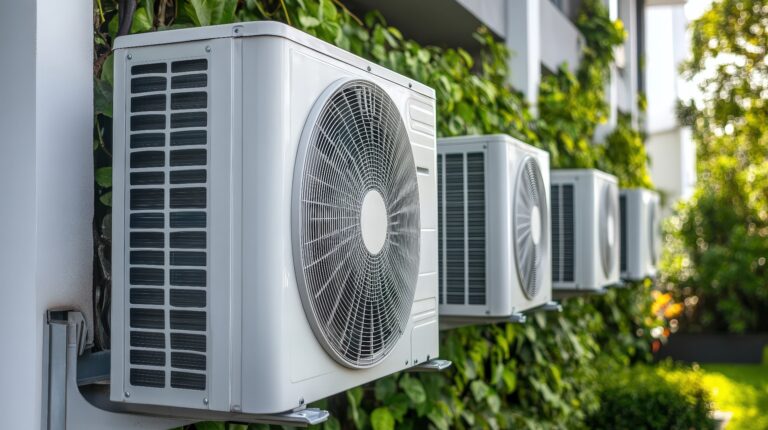
The fundamental principle behind VRF operation involves modulating refrigerant flow to multiple indoor units connected to a single outdoor condensing unit. This sophisticated approach allows for precise temperature control in individual rooms or zones, eliminating the common problem of hot and cold spots that plague conventional forced-air systems. As a residential heating and cooling specialist, we’ve witnessed firsthand how VRF systems transform comfort levels in homes throughout Morgantown, Fairmont, Clarksburg, Kingwood, Grafton, Bridgeport, Westover, Star City, Reedsville, Rivesville, WV; Point Marion, Mount Morris, Dilliner, Springhill, Waynesburg, and Uniontown, PA, particularly in properties with complex layouts or varying occupancy patterns throughout the day.
Energy Efficiency and Cost Benefits
VRF systems typically achieve efficiency ratings between 20 to 30 SEER (Seasonal Energy Efficiency Ratio), significantly exceeding the minimum federal standards and surpassing most traditional split systems. This exceptional efficiency stems from the system’s ability to operate at partial loads most of the time, rather than cycling on and off like conventional equipment. The inverter technology continuously adjusts compressor speed to match the exact cooling or heating load required, consuming only the energy necessary to maintain desired temperatures. Industry data indicates that VRF systems can reduce energy consumption by 25 to 50 percent compared to traditional rooftop units or conventional split systems.
The heat recovery capabilities of certain VRF configurations provide additional efficiency gains by capturing waste heat from areas requiring cooling and redirecting it to zones needing heating. This simultaneous heating and cooling capability proves particularly valuable during shoulder seasons when different areas of a home may have opposing comfort needs. We service all makes and models of HVAC equipment and understand how VRF systems compare to traditional options in terms of long-term operating costs and return on investment for homeowners in our service area.
Installation Considerations and System Components
Installing a VRF system requires careful planning and expertise to ensure optimal performance. The process begins with a comprehensive load calculation for each zone, accounting for factors such as room size, window orientation, insulation levels, and occupancy patterns. As a proud Carrier dealer, we utilize advanced software tools to design systems that precisely match your home’s requirements while maximizing efficiency. The outdoor unit placement requires consideration of factors including:
- Adequate clearance for airflow and service access
- Protection from prevailing winds and direct sunlight
- Proximity to indoor units to minimize refrigerant line lengths
Indoor unit selection involves choosing from various styles including wall-mounted, ceiling cassette, concealed ducted, and floor-standing models. Each type offers specific advantages depending on room configuration and aesthetic preferences. The refrigerant piping network connecting outdoor and indoor units requires meticulous installation techniques to ensure proper oil return, minimize pressure drops, and prevent refrigerant leaks. Branch selector boxes distribute refrigerant to multiple indoor units while maintaining precise control over flow rates and temperatures.
Maintenance Requirements and Indoor Air Quality Integration
VRF systems require specialized maintenance procedures to maintain peak efficiency and reliability. We offer seasonal maintenance services for all residential HVAC systems, including comprehensive VRF inspections that address refrigerant charge verification, electronic component testing, and filter replacement schedules. Regular maintenance intervals typically include quarterly filter changes for indoor units, annual coil cleaning, and periodic refrigerant leak checks using electronic detection equipment.
We also specialize in indoor air quality products for the home, and VRF systems integrate seamlessly with advanced filtration, humidification, and ventilation accessories. Many VRF indoor units accommodate high-efficiency filters that capture particles as small as 0.3 microns, while optional UV lights and photocatalytic oxidation systems provide additional purification. Fresh air ventilation can be incorporated through dedicated outdoor air systems or energy recovery ventilators that pre-condition incoming air using exhaust air energy.
VRF technology continues advancing with developments in refrigerant alternatives, smart controls, and integration with renewable energy sources. Manufacturers are introducing systems using lower global warming potential refrigerants while maintaining or improving efficiency levels. Cloud-based monitoring platforms enable remote diagnostics and predictive maintenance capabilities that minimize downtime and optimize performance throughout the system’s operational life. Contact us today.