
Creating a Comprehensive Home Emergency Kit: Essential HVAC Items Every Morgantown Homeowner Should Include for Winter Power Outages and System Failures
Winter in Morgantown brings unpredictable weather that can knock out power for hours or even days. When temperatures plummet and your furnace goes silent, the difference between a manageable inconvenience and a dangerous situation often comes down to preparation. At Precision Plus HVAC, we are a residential heating and cooling specialist with more than 20 years of service in Monongalia, Preston, Harrison, and Marion counties, and we have seen firsthand how devastating an extended winter power outage can be for families who are caught off guard. Building a home emergency kit that specifically addresses HVAC-related failures is one of the smartest investments you can make for your household’s safety and comfort.
Understanding Why HVAC-Specific Preparedness Matters
According to the U.S. Department of Energy, heating accounts for roughly 45 percent of a typical American home’s energy consumption during winter months. When that system fails during a cold snap, indoor temperatures can drop below freezing within just a few hours, depending on your home’s insulation. Frozen pipes, hypothermia risk, and structural damage from ice buildup inside walls are all real threats that Morgantown homeowners face when furnace repair needs arise during a storm and professional help cannot arrive immediately.
West Virginia’s mountainous terrain makes our region particularly vulnerable to ice storms and heavy snow that can down power lines and delay emergency response times. Having the right supplies on hand buys you critical time until conditions improve and a qualified heating service technician can safely reach your home. We service all makes and models, so once roads are clear, our team can respond quickly regardless of what equipment you have installed.
Essential Items for Your HVAC Emergency Kit
Your emergency kit should go beyond the standard flashlights and bottled water. It needs components that specifically address keeping your home warm and protecting your HVAC system from damage during and after an outage. Here is a detailed breakdown of what every Morgantown homeowner should gather and store in an accessible location before winter arrives.
- Portable space heater with safety shutoff features — Choose a propane or kerosene model rated for indoor use that includes tip-over protection and oxygen depletion sensors, and always store extra fuel safely outside your living areas
- Battery-powered carbon monoxide detector — Alternative heating sources dramatically increase CO risk, so a standalone detector with fresh batteries is non-negotiable even if you have hardwired units in your home
- Extra HVAC air filters — When your system restarts after an outage, airborne dust and debris can surge through ductwork, and having a clean filter ready to install protects your equipment and your indoor air quality
- Pipe insulation and heat tape — Pre-cut foam insulation sleeves and thermostatically controlled heat tape can be applied to vulnerable pipes near exterior walls before a storm hits
- Digital thermostat batteries — Many programmable thermostats require AA or AAA batteries for backup power, and dead batteries can prevent your furnace from restarting automatically when electricity returns
- Flashlight and basic tool set — A headlamp, adjustable wrench, screwdrivers, and duct tape allow you to perform minor emergency tasks like shutting off gas valves or sealing drafty windows
- Emergency contact list — Keep our phone number and your utility company’s number printed and stored with your kit since cell phones may lose charge during prolonged outages
- Portable power bank or generator — A generator capable of running your furnace blower motor can keep heat circulating, but it must always be operated outdoors to prevent carbon monoxide poisoning
Protecting Your HVAC System Before and After an Outage
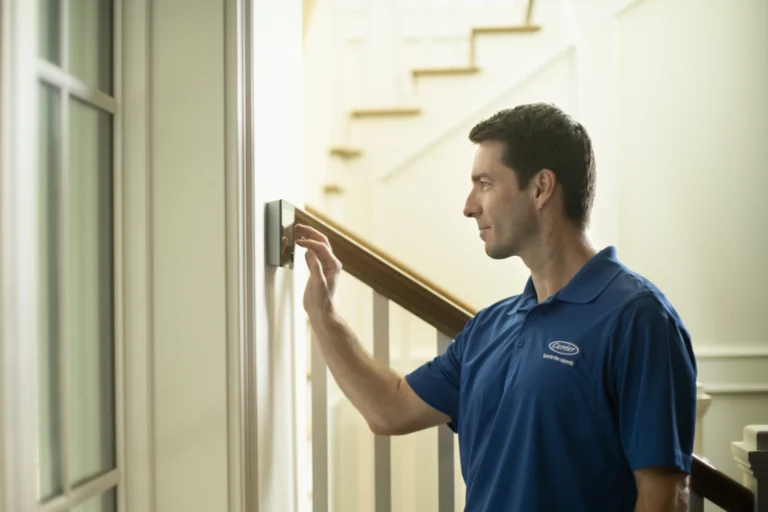
As a proud Carrier dealer, we recommend that homeowners schedule seasonal maintenance services before winter arrives. A professionally inspected and tuned furnace is far less likely to experience a failure during extreme cold. Our technicians check ignition systems, heat exchangers, electrical connections, and safety controls during every maintenance visit, catching small problems before they become emergency AC repair or furnace repair situations.
After power is restored following an outage, avoid the temptation to immediately crank your thermostat to its highest setting. Instead, raise the temperature gradually in two-degree increments. This prevents your system from short cycling and reduces stress on components that may have been affected by the power interruption. If your furnace does not ignite within a few minutes of power restoration, turn the system off and call for professional HVAC service rather than attempting repeated restarts, which can damage the ignition module.
Indoor Air Quality Considerations During Emergencies
We also specialize in indoor air quality products for the home, and this expertise becomes especially relevant during emergencies. Burning candles, running portable heaters, and sealing your home tightly against cold all degrade indoor air. Keep windows cracked slightly for ventilation when using combustion-based heat sources, and consider storing a portable HEPA air purifier in your emergency kit. Owner and lead technician JT Marra built the foundation of Precision Plus HVAC on making sure every job is done right, and that philosophy extends to helping our community stay safe, warm, and prepared when winter strikes hardest.